
Understanding ROI: The Key Metric Behind Smart Business Decisions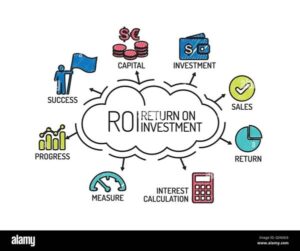
In the world of business and marketing, every investment matters. Whether you’re running ad campaigns, hosting events, or launching new products, one question always comes up: Is it worth it?
That’s where ROI (Return on Investment) comes in—a simple yet powerful metric that helps you measure the effectiveness of your efforts.
What is ROI?
ROI, or Return on Investment, is a performance metric used to evaluate the profitability of an investment. It tells you how much return you’ve generated compared to how much you’ve spent.
Basic ROI Formula:
ROI = (Net Profit / Investment Cost) × 100
For example:
If you spend ₹10,000 on a campaign and earn ₹15,000 in return:
ROI = (5,000 / 10,000) × 100 = 50% ROI
Why ROI Matters
1. Better Decision-Making
ROI helps businesses determine which strategies are working and which are not. It ensures that decisions are based on data rather than assumptions.
2. Budget Optimization
By analyzing ROI, companies can allocate budgets more effectively—investing more in high-performing areas and cutting down on underperforming ones.
3. Performance Measurement
ROI provides a clear picture of success across different campaigns, channels, or initiatives.
4. Accountability
It helps teams justify their spending and demonstrate the value of their efforts to stakeholders.
Types of ROI in Marketing
🔹 Marketing ROI – Measures the effectiveness of marketing campaigns in generating revenue.
🔹 Social Media ROI – Tracks engagement, leads, and conversions from social platforms.
🔹 Event ROI – Evaluates the return generated from events in terms of leads, sales, and brand awareness.
🔹 Content Marketing ROI – Assesses how blogs, videos, and other content contribute to business growth.
Key Metrics That Support ROI
While ROI is the ultimate metric, it is often supported by other important indicators:
- Conversion Rate: Percentage of users who take action
- Customer Acquisition Cost (CAC): Cost of acquiring a new customer
- Customer Lifetime Value (LTV): Total revenue from a customer over time
- Click-Through Rate (CTR): Engagement with ads or content
These metrics help give context to your ROI and make it more actionable.
Challenges in Measuring ROI
Despite its importance, ROI isn’t always easy to calculate:
- Attribution Issues: It can be difficult to identify which channel led to a conversion
- Time Lag: Some investments (like branding) take time to show results
- Intangible Benefits: Brand awareness and trust are hard to quantify
How to Improve ROI
✅ Set Clear Goals – Define what success looks like before investing.
✅ Track Everything – Use analytics tools to monitor performance across channels.
✅ Optimize Campaigns – Continuously test and improve your strategies.
✅ Focus on High-Impact Channels – Invest more in channels that deliver better returns.
✅ Improve Customer Experience – Better experiences lead to higher conversions and repeat business.
ROI in the Digital Age
With advanced analytics and AI tools, measuring ROI has become more precise than ever. Businesses can now track user behavior, predict outcomes, and optimize campaigns in real time.
However, the focus is shifting from just short-term ROI to long-term value, including customer loyalty and brand equity.
Conclusion
ROI is more than just a number—it’s a decision-making tool that drives smarter investments and sustainable growth.
By understanding and optimizing ROI, businesses can ensure that every rupee spent contributes to meaningful results.
In the end, success isn’t about spending more—it’s about earning more from what you spend.