
The Impact of Events: How Experiences Drive Brand Growth and Engagement
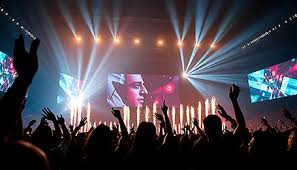
In an era dominated by digital interactions, events continue to stand out as one of the most powerful ways to connect with audiences. Whether it’s a product launch, conference, webinar, or experiential campaign, events create meaningful, real-world (or virtual) interactions that leave a lasting impression.
But what exactly makes events so impactful? And how can brands leverage them effectively?
Let’s explore.
What is Event Impact?
Event impact refers to the measurable and intangible outcomes that an event generates for a brand, organization, or audience. This includes:
- Brand awareness
- Audience engagement
- Lead generation
- Customer relationships
- Revenue growth
Unlike many marketing channels, events combine emotion, experience, and interaction, making them uniquely powerful.
Why Events Matter More Than Ever
1. Human Connection in a Digital World
Despite the rise of social media and online marketing, people still crave real connections. Events—whether physical or virtual—allow brands to interact directly with their audience.
Face-to-face conversations, live Q&A sessions, and networking opportunities create trust that digital ads alone cannot achieve.
2. High Engagement Levels
Events naturally demand attention. Attendees are more likely to:
- Participate in discussions
- Ask questions
- Engage with products or services
This level of interaction leads to deeper engagement compared to passive content consumption.
3. Strong Brand Recall
Experiences are memorable. When people attend an event, they don’t just see a brand—they experience it.
This results in:
- Better brand recall
- Stronger emotional connection
- Increased likelihood of future engagement
Types of Events and Their Impact
🔹 Physical Events
- Trade shows
- Conferences
- Product launches
Impact: High engagement, strong networking, immersive experiences
🔹 Virtual Events
- Webinars
- Online workshops
- Live streams
Impact: Wider reach, cost-effective, easy scalability
🔹 Hybrid Events
- Combination of physical + virtual
Impact: Best of both worlds—reach + engagement
Key Metrics to Measure Event Impact
To truly understand event success, tracking the right metrics is essential:
- Attendance Rate: Number of participants vs registrations
- Engagement Rate: Participation during sessions
- Leads Generated: New contacts acquired
- Conversion Rate: Leads turning into customers
- Social Media Mentions: Online buzz and visibility
- ROI (Return on Investment): Revenue vs cost
How Events Drive Business Growth
1. Lead Generation
Events are one of the most effective ways to collect high-quality leads. Attendees are often already interested in your offering, making them more likely to convert.
2. Brand Positioning
Hosting or participating in events positions your brand as an authority in your industry.
3. Content Creation Opportunities
Events generate valuable content:
- Photos and videos
- Speaker sessions
- Social media clips
This content can be repurposed for future marketing campaigns.
4. Networking and Partnerships
Events bring together industry professionals, opening doors for collaborations, partnerships, and business opportunities.
Challenges in Event Marketing
While events are powerful, they come with challenges:
- High costs for physical events
- Planning and logistics complexity
- Measuring intangible outcomes (like brand perception)
- Audience acquisition for virtual events
Best Practices for Maximizing Event Impact
✅ Define Clear Objectives
Know whether your goal is awareness, leads, or sales.
✅ Know Your Audience
Tailor content and format based on audience preferences.
✅ Promote Effectively
Use email, social media, and ads to maximize attendance.
✅ Create Engaging Experiences
Interactive sessions, live demos, and Q&A keep audiences involved.
✅ Follow Up
Post-event communication is crucial for converting leads into customers.
The Future of Events
Events are evolving rapidly with technology. Trends shaping the future include:
- AI-powered personalization
- Virtual reality (VR) experiences
- Data-driven event strategies
- Hybrid event dominance
Brands that adapt to these trends will create more impactful and scalable experiences.
Conclusion
Events are more than just gatherings—they are powerful tools for connection, engagement, and growth. In a crowded marketing landscape, they offer something unique: real experiences that people remember.
Whether physical, virtual, or hybrid, a well-executed event can elevate your brand, build lasting relationships, and drive measurable business results.
In the end, the true impact of an event isn’t just in the numbers—it’s in the experience it creates.